Leading a team that works in the same office is one thing.
Leading people who are working remotely, across different countries, cultures, and time zones is something else entirely.
To explore what makes virtual teams successful, I spoke with Antonia Cobb, Principal Director at Accenture, where she focuses on talent strategy and organizational transformation.
Antonia has been leading virtual teams for around a decade, working with people from different parts of the world. That experience gives her a valuable perspective on what leaders need to do differently when their teams are distributed.
What Makes a Great Virtual Team?
Technology makes remote collaboration possible, but technology alone does not create a great team.
A virtual team still needs the same things as a traditional team:
- Trust
- Clear communication
- Shared goals
- Accountability
- A sense of belonging
- Strong relationships
The difference is that many of these things no longer happen naturally.
When people share an office, they have countless small interactions during the day. They can ask a quick question, have an informal conversation, or notice when a colleague needs support.
Virtual teams need to create many of these connections intentionally.
Trust Is the Foundation
One of the most important elements of successful virtual leadership is trust.
When leaders cannot physically see their team members working, it can be tempting to monitor activity more closely.
But constant monitoring can quickly become micromanagement.
A better approach is to create clarity around expectations and then trust people to deliver.
Ask:
- What outcome are we trying to achieve?
- Who is responsible for what?
- When do we need it?
- What support is required?
When expectations are clear, people have more freedom to focus on the work rather than proving that they are working.
Communication Across Cultures and Time Zones
Antonia’s experience also highlights another challenge of virtual leadership: working across geographical and cultural boundaries.
People may have different communication styles, expectations, working habits, and approaches to hierarchy.
Something that feels perfectly normal in one culture may be interpreted differently in another.
Great virtual leaders therefore need curiosity.
Instead of assuming that everyone sees a situation the same way, ask questions and create space for different perspectives.
This is particularly important when teams work across multiple countries.
Don’t Let Technology Replace Human Connection
Video calls, messaging platforms, and collaboration tools are extremely useful.
But there is a risk of turning every interaction into a task-focused transaction.
A meeting can be efficient without being meaningful.
A message can be clear without creating connection.
Leaders need to make room for the human side of teamwork.
Ask your team members how they are doing.
Celebrate achievements.
Create opportunities for informal conversations.
Get to know people beyond their job titles.
These small actions help build the relationships that make virtual collaboration stronger.
Virtual Leadership Requires Intentionality
One of the biggest lessons from leading remotely is that you cannot simply copy an office-based leadership style and move it online.
You need to be more intentional.
Intentional about communication.
Intentional about relationship building.
Intentional about feedback.
Intentional about recognition.
Intentional about creating a shared sense of purpose.
When people are physically separated, leaders have to work harder to make sure nobody feels disconnected.
The Role of a Leader in a Virtual Team
A virtual leader does not need to be the person who talks the most or controls every decision.
The leader’s role is to create the conditions where people can perform at their best.
That means providing:
Clarity: Everyone understands the goals and expectations.
Connection: People know who their colleagues are and feel part of the team.
Trust: Team members have autonomy and are judged by outcomes rather than visibility.
Support: People know where to turn when they face challenges.
Feedback: Employees understand what they are doing well and where they can improve.
When these elements are in place, distance becomes less of a barrier.
Learning From Experienced Virtual Leaders
This interview with Antonia Cobb is part of my wider exploration of virtual leadership.
I wanted to hear directly from people who have practical experience leading distributed teams, rather than simply discussing remote leadership as a theoretical concept.
Antonia’s decade of experience provides useful lessons for anyone managing teams across countries, locations, and time zones.
Her insights are particularly relevant to leaders working in global organizations where virtual collaboration is part of everyday life.
Final Thoughts
Virtual leadership is not primarily about choosing the right communication platform.
It is about understanding people.
Technology can connect us, but communication creates the relationship.
And relationships create trust.
Whether your team works in one office, across a city, or across the world, the leadership fundamentals remain important:
Communicate clearly. Build trust. Create connection. Give people responsibility.
The better we do these things, the stronger our virtual teams become.
Listen to the Interview
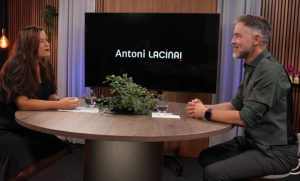
In this conversation, Antonia Cobb shares her experience of leading virtual teams for approximately ten years and offers insights into creating effective global teams.
If you are leading a remote or international team, I hope this interview gives you some practical ideas to reflect on and apply.
Enjoy!